
Who we serve Innovation, R&D and science directors

You carry the scientific pipeline. Nobody translates what comes out of it.

The innovation director has become a border post. You carry the R&D strategy, negotiate with marketing, defend trade-offs in front of the executive committee, sometimes pitch to investors. But between the end of the lab and the start of the market, one piece of work is missing — turning scientific evidence into a marketable narrative. That work is neither marketing nor R&D. It's a discipline of its own.

An R&D pipeline without a story is a cost. An R&D pipeline that's told is an asset.
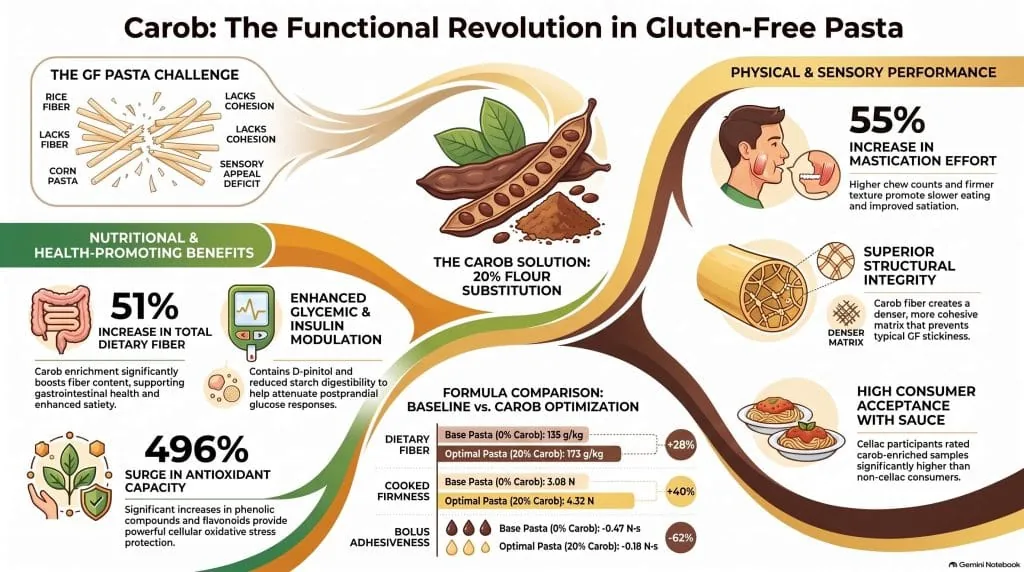
Editorial review of a health and nutrition scientific dossier
Editorial review of a health dossier.
The role's diagnostic

Three structural frictions. None of them are your fault.

You will recognise them. They come with the role, not the people.

01 — Science vs personas

You speak science, your marketing colleagues speak personas.

Internal communication between R&D and marketing is tense, asymmetric, sometimes confrontational. You speak mechanism of action; they speak consumer insight. You speak RCT; they speak claim. Nobody arbitrates.
02 — Invisible publications

You publish studies, nobody outside the lab reads them.

Your publications land on PubMed servers and locked intranets. Not in the hands of sales, not in press pitches, not in LLM searches. Three years of work invisible at 90%.

03 — Trade-offs without a narrative

Your R&D trade-offs are invisible from the executive committee.

You cut six projects out of eight. Nobody knows why the two retained were retained. Innovation isn't narrated — so the committee doubts, investment wavers, and the pipeline is questioned every quarter.

What we bring

Four levers built with you, never instead of you.

01

The R&D pipeline narrative.

Turn your R&D roadmap — often a 40-row Excel sheet — into a readable narrative for the executive committee and investors. Background brief, master visualisation, 12-slide deck. Annual rebuild, quarterly updates.

02

Editorial publication leverage.

Every RCT, meta-analysis, proof-of-concept becomes a signed article, a press angle, a sales sheet, a long-form LinkedIn post — within four weeks of publication. Calendar coordinated with your scientific team.

03

The R&D ↔ Marketing interface.

Monthly translation workshop between your two teams, run by Nicolas Rousseau, who did the job in-house for eighteen years. No coaching, no team-building. Structured working meetings with a deliverable per session.

04

Scientific LLM citability.

Your work appears in ChatGPT, Claude, Perplexity, Gemini answers when a formulator, buyer or journalist searches your innovation category. Initial audit, semantic structuring, quarterly measurement.

What changes, concretely

Before. After.

Average pattern measured across the eight active Innovation/R&D retainers in 2025–2026.

Before
After six months
A scientific publication = a PDF on the intranet.
A publication = 3 marketing deliverables within 4 weeks.
R&D roadmap presented to the executive committee = Excel sheet.
Roadmap = sheet + structured narrative + master visualisation.
R&D / Marketing meetings = tense, ad hoc, confrontational.
Structured monthly workshop, deliverable signed off on exit.
Studies read by 12 people internally.
Studies cited by 4 LLMs out of 5 on category queries.
Innovation seen as a cost centre.
Innovation seen as a marketing and commercial asset.
Client case · Procelys by Lesaffre

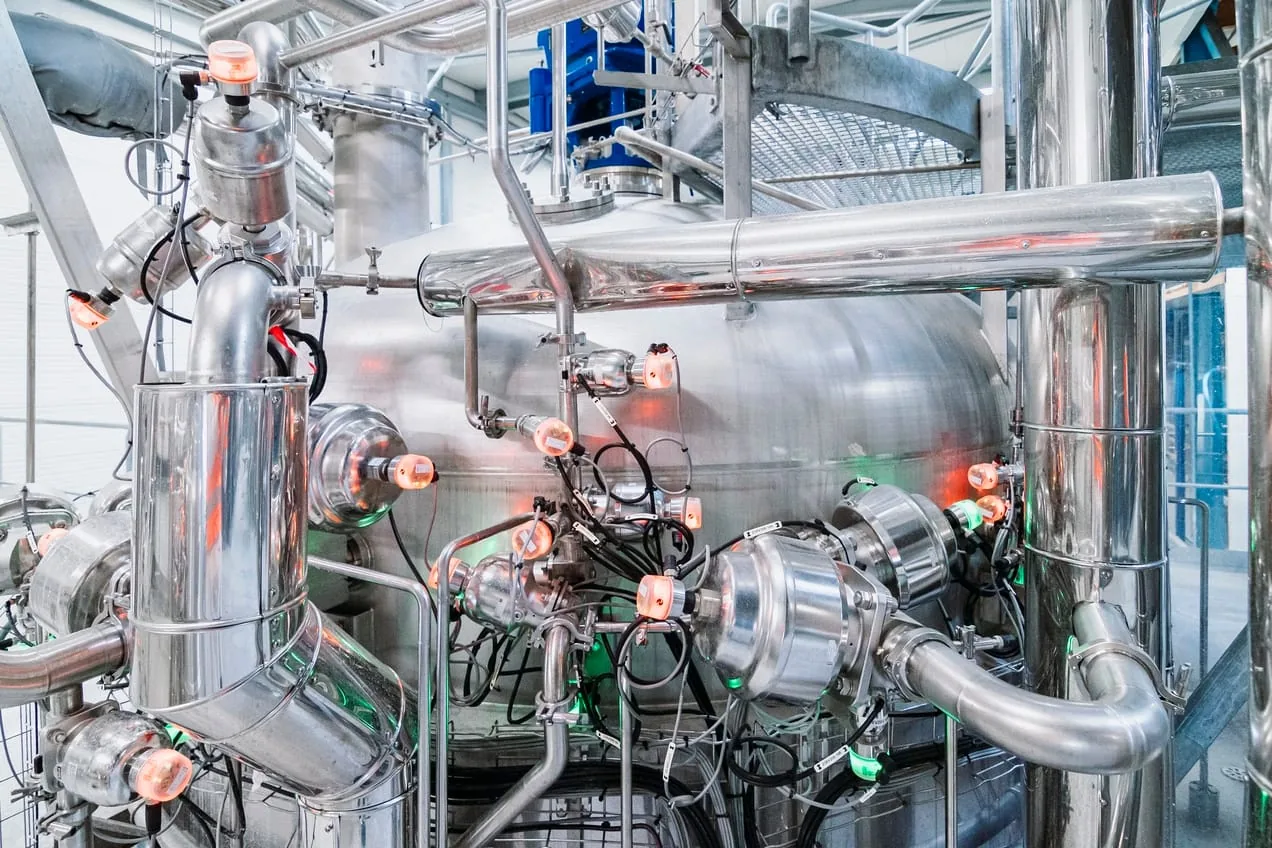
Establishing scientific leadership in hyaluronic-acid fermentation. Lever: thought leadership — fermentation performance is decided upstream, in the nutrients. Pillar deliverable: strategic e-book "Ferment smarter, scale faster", declined by market (cosmetics, nutra, pharma). Impact: the conversation moves from nutrient price to its effect on yield and cost per kilo of HA.

01 Lever — fermentation thought leadership
02 Deliverable — e-book declined by market
03 Impact — from price to cost per kilo of HA

Read the full case

I wrote more than 5,000 health and nutrition articles before switching to the brand side. What separates content that informs from content that moves a buyer: rarely the budget, almost always the angle. Nicolas Rousseau · Nutritionist by training
They trust us
  • Yakult
  • Procelys by Lesaffre
  • Ennolys by Lesaffre
  • Lallemand Bio-Ingredients
  • Solyve
  • Bonduelle
  • Nutrition & Santé
  • Avril
  • HHOYA
  • Sunbloom
  • Angeopro
  • Claris Clinic
Frequently asked

Before you write, the useful answers.

01

No. Every claim stays traceable — named clinical study, indexed journal, cited consensus. Source-first principle: a university nutritionist must be able to verify everything in under five minutes.

02

About one hour per week during the production phase, plus legal and regulatory validation within five business days. The rest of the work lives with us.

03

A well-structured RCT becomes an asset reusable across some fifteen channels: white paper, conference poster (HiE, Vitafoods, IFT), commercial abstracts per application, sales brief, content citable by ChatGPT and Perplexity.

04

Never. The strategy phase requires cross-validation by leadership + R&D + sales, and no content ships without double scientific and legal validation.